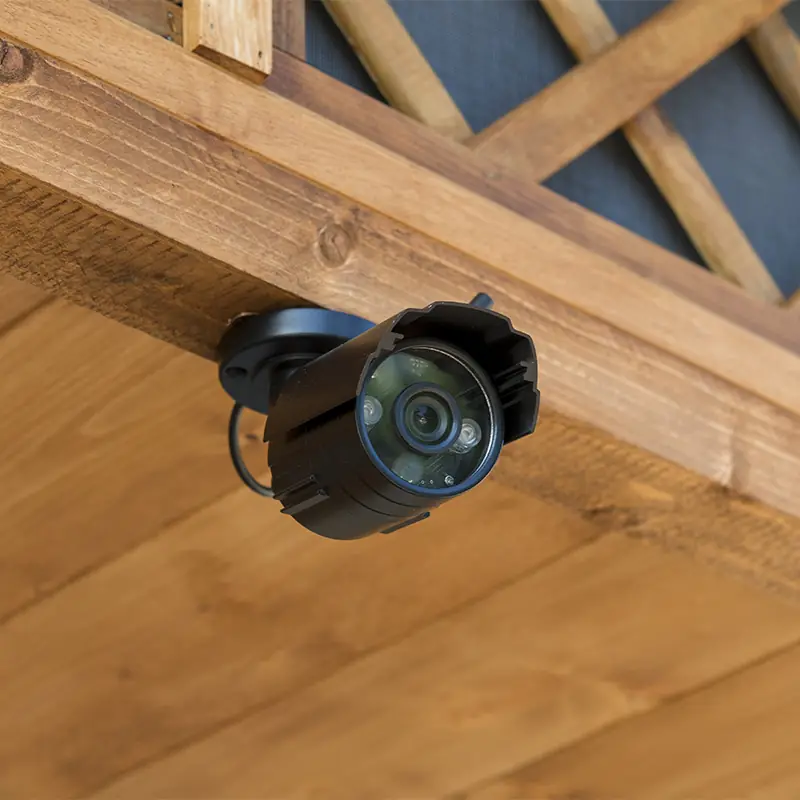
A roofing infrared camera, also known as a thermal imaging camera, is a specialized tool used in the roofing industry for detecting and identifying thermal anomalies or temperature variations on a roof’s surface. These cameras capture infrared radiation emitted by objects, allowing professionals to visualize temperature differences and identify potential issues that may not be visible to the naked eye.
Key Features and Uses of Roofing Infrared Cameras Include:
Moisture Detection: Infrared cameras can help identify areas of moisture accumulation on a roof. Moisture tends to retain or release heat differently than dry materials, making it possible to pinpoint areas where water may have infiltrated the roofing system.
Leak Identification: By detecting temperature variations, these cameras can assist in locating leaks or areas where water penetration may be occurring, even if there are no visible signs on the surface.
Insulation Assessment: Infrared cameras can assess the effectiveness of insulation in a building by revealing areas of heat loss or gain. Inconsistent insulation can impact energy efficiency.
Quality Control: Roofing professionals use infrared cameras for quality control during and after roof installations. It helps ensure that the roofing system is uniformly insulated and sealed.
Safety Inspections: Infrared cameras can be used for safety inspections to identify potential electrical or fire hazards within the roofing system.
Roofing infrared cameras are valuable tools for preventive maintenance, helping roofing professionals address issues before they lead to more significant problems. They contribute to the overall efficiency, longevity, and performance of roofing systems by allowing for targeted repairs and improvements based on thermal data.